
NCNGM and Advanced Technological Education

Technician education is evolving rapidly to meet the demands of a changing world, and the National Science Foundation (NSF) funded Advanced Technological Education (ATE) program supports skill development and industry readiness. The National Center for Next Generation Manufacturing (NCNGM), an NSF ATE Center of Excellence focused on advanced manufacturing, plays a significant role in bridging the education and manufacturing industries. This article explores how this major center grant contributes to technician education in community colleges.

Understanding the NCNGM's Role in Education
The NCNGM aims to strengthen technician education by matching community college curricula with the needs of the advanced manufacturing industry. This is accomplished by providing a resource repository on the website and social media, facilitating professional development for educators, conducting outreach and giving presentations at conferences, and keeping community college students and educators up to date on industry standards. As a result, these stakeholders acquire relevant skills that enhance their employability in advanced manufacturing educational institutions and workplaces. The NCNGM offers best practices that educators can integrate into their curriculum through the website, conference presentations, poster sessions, and other programming across community colleges. These emphasize hands-on learning and technical skills, which are crucial for careers in manufacturing. By doing so, the center helps close the gap between theoretical knowledge and practical application.
Key contributions of NCNGM in education include:
Developing an industry-aligned repository utilizing the Business and Industry Leadership Teams' Knowledge Skills and Abilities model.
Offering programs and resources for students, such as the Mechanical Engineering Technologies and Manufacturing Engineering Technologies (MET²) program, which serves students at Connecticut State Community College and other universities in the state.
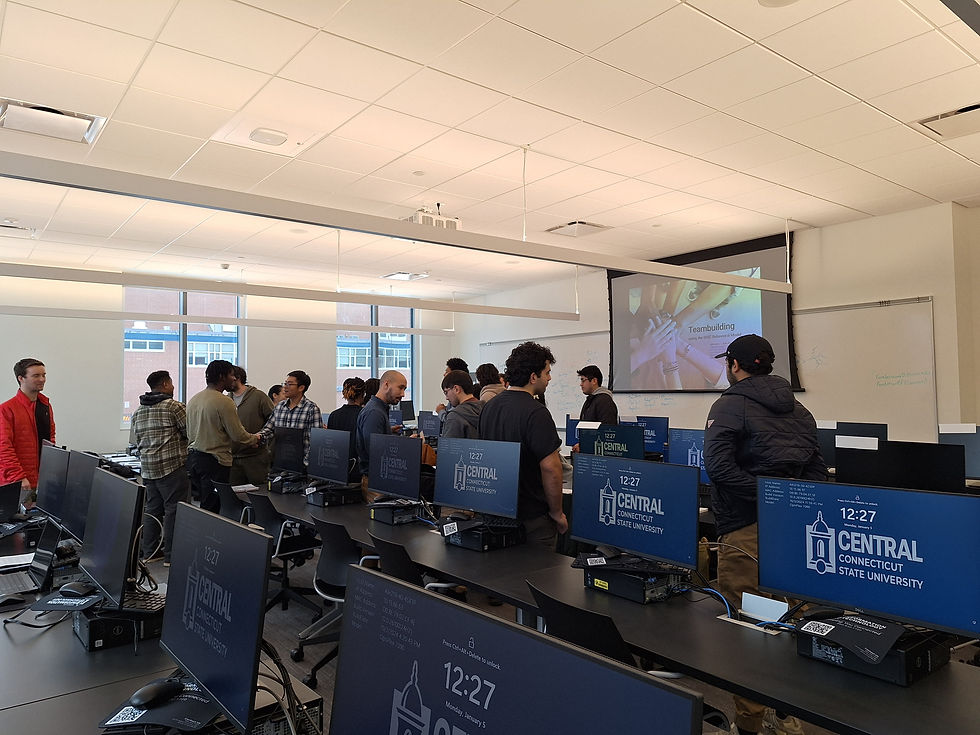
Providing professional development for educators, such as the nationwide virtual Summer Teacher's Workshop and Central Community College's Mechatronics Professional Development Series.
Facilitating partnerships between community and technical institutions and their local and regional manufacturers.

How NCNGM Supports Faculty
Educators play a vital role in guiding students toward successful careers. The NCNGM supports professionals by offering tools and training that enhance their ability to advise and teach effectively. For instance, faculty can access NCNGM's career descriptions and opportunities highlighting pathways in manufacturing. This helps them provide accurate guidance to students interested in technical fields. Educators benefit from workshops and online resources that keep them up to date on the latest industry trends and teaching methods. By equipping community colleges with these resources, the NCNGM ensures that students receive informed support throughout their educational journey.
Ways NCNGM supports educators:
Publishing partner and collaborators' initiatives aligned with advanced manufacturing technician education; a comprehensive archive of NCNGM and partner activities is available in our newsletter.
Contact us if you want us to disseminate a resource or program in our newsletter!
Informational sessions on emerging technologies, including artificial intelligence, and teaching strategies, refer to our Community of Practice recording for past presentations and information.
Networking opportunities with industry professionals, higher education, and the broader National Science Foundation Advanced Technological Education community, such as the High Impact Technology Exchange Conference, which the NCNGM is a founding supporter.
Access to up-to-date manufacturing technical education survey data through the resource repository.
NCNGM's Impact on Student Skill Development
Skill development is at the heart of education, especially in technical fields. The NCNGM plays a key role in this area by providing students with opportunities to develop professional skills. With the support of the NCNGM, students can participate in programs that validate their technical abilities. These skill sets are recognized by future employers and can significantly enhance a student's admission to their local community college or further education. Additionally, the NCNGM encourages project-based learning, which fosters problem-solving, teamwork, and critical thinking. For example, students work on manufacturing simulations or real-world projects in partnership with local companies. This hands-on experience is invaluable for understanding industry expectations and building confidence.
Programs for students include:
Industry-aligned skill-building through hands-on learning, such as the Fabricators and Manufacturers Association's (FMA) Sparkforce Welding Camp offered to high schoolers interested in furthering their education at College of the Canyons in California.
While Sparkforce is a nationwide initiative, this particular session is taught by NCNGM's co-principal investigator, Tim Baber.
Practical experience through research projects Mechanical Engineering Technologies and Manufacturing Engineering Technologies (MET²).
Development of teamwork and communication skills, offered through Special Interest Groups at the High Impact Technology Exchange Conference.
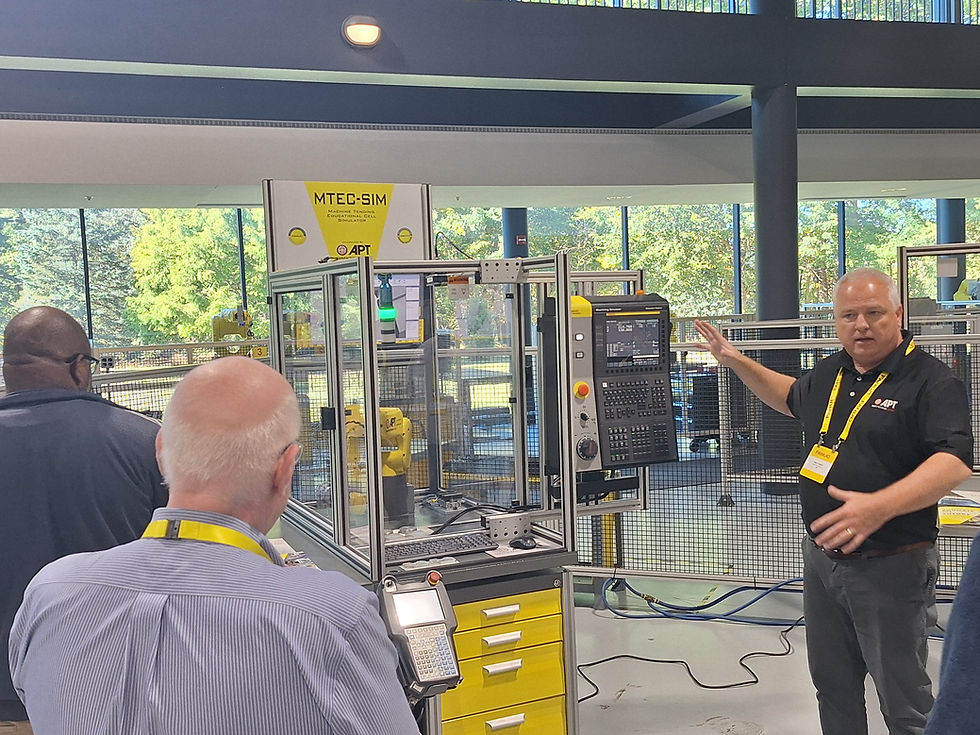
Exposure to current manufacturing technologies through industry tours by their community college institutions.
One example is Central Community College's Manufacturing Month Industry Tours.

Enhancing Industry-Education Collaboration
A strong connection between education and industry is essential for preparing a skilled workforce. The NCNGM facilitates this collaboration by acting as a bridge between higher education and industry. Through partnerships, schools gain access to equipment, expertise, and internship opportunities. Manufacturers benefit by influencing curriculum development and identifying potential future employees. This collaboration ensures that education remains relevant and responsive to industry needs. One example is a manufacturing company sponsoring a training lab or providing guest speakers for classes. Schools can then offer students real-world insights and experiences that textbooks alone cannot provide.
Ways NCNGM promotes collaboration:
Organizing business and industry leadership teams with partners, such as Dr. Suj Chandrasekhar of Strategic Insights.
Encourage industry coordination for internships and apprenticeships through community colleges
Sharing resources and technology with educational institutions and industry through a comprehensive list of partners and collaborators.
Hosting joint events and workshops for national awareness of advanced manufacturing careers, such as Manufacturing Day, a Manufacturing Institute initiative. NCNGM has been a "Friend of Manufacturing Day" in 2024 and 2025.

Preparing for the Future of Manufacturing Technician Education
The manufacturing sector is evolving with advancements in automation, robotics, and digital technologies. Education must keep pace with these changes to prepare students effectively. The NCNGM plays an important role by continuously updating its programs and resources. Educators are encouraged to integrate emerging technologies into their teaching while students learn about Industry 4.0 and 5.0 concepts, such as smart manufacturing, artificial intelligence, and additive manufacturing. This approach ensures that learners are ready for the advanced manufacturing jobs of the future.
Recommendations for educators and institutions:
Incorporate technology training into curricula through industry partners.
Promote lifelong learning and adaptability through your institution's adult education and workforce learning departments.
Engage with NCNGM resources for the latest industry trends by subscribing to the email distribution list and newsletter, and by following us on social media.
Foster partnerships through relevant organizations that can provide exposure to new manufacturing methods, their own network of stakeholders, nominate faculty and students for recognition awards, and potentially offer funding or grants for career technician education.
Through best practices, educator support, student skill-building, and industry collaboration, the National Center for Next Generation Manufacturing, within the Advanced Technological Education program, helps create pathways to success. Students gain practical skills and certifications that improve their job prospects. Educators and counselors receive tools to guide learners effectively. Manufacturers benefit from a pipeline of well-prepared talent. The National Science Foundation ensures that education and industry work together to meet current and future challenges. By embracing the resources and opportunities provided by the NSF, ATE, and NCNGM, career technician education can lead to stronger educational outcomes and a more competitive advanced manufacturing workforce.


Comments